World Hope Forum Italy
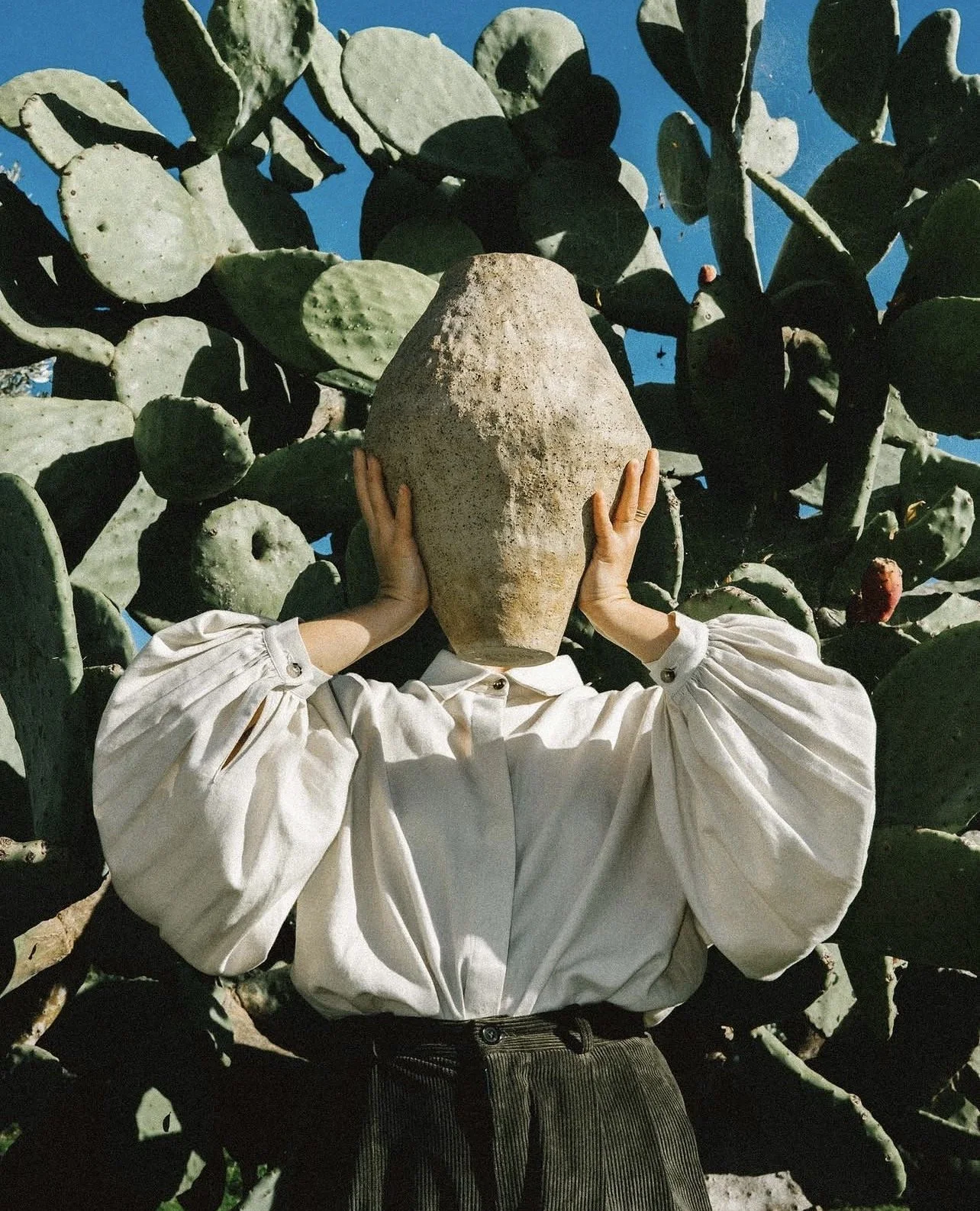
design by Linda Calugi / AMORAW;photo by Letizia Cigliutti
Curated by Arianna Mereu, WHF Ambassador for Italy
Sunday, June 7, 2026
15:00-18:00 CET
9:00-12:00 EST
15:00 Welcome by LIDEWIJ EDELKOORT & PHILIP FIMMANO, WHF co-founders
15:05 ARIANNA MEREU, strategist, futurist & WHF Ambassador for Italy
15:20 GRACE FAINELLI, strategist, writer & co-founder, Narrazioni Contaminate
15:45 RICCARDO MONTE, artist, architect & maker
16:05 KYRE CHENVEN & IVANO ATZORI, founders, Pretziata
16:25 MIRIAM PUGLIESE, entrepreneur & co-founder, Nido di Seta
16:45 NICOLA GIUGGIOLI, co-founder, Quintosapore
17:05 LINDA CALUGI, ceramicist & founder, AMORAW
17:25 ANTONIO ARICÒ, artist, designer & creative director
17:45 Closing words
17:50 Approximate end
What does hope look like in Italy today? WHF Ambassador for Italy, Arianna Mereu, asked this question when compiling an inspiring representation of the country precisely at a time when its culture and identity are most evolving. Join us on Sunday, June 7th when a renaissance of hope awaits — spanning the vast reaches of this creative peninsula and exploring the craftspeople, designers, writers reinventing our perceptions of Italy.

Arianna Mereu
Arianna Mereu is a foresight strategist, trend forecaster and futurist based in Florence, Italy. She helps organisations read what is coming before it becomes obvious, translating weak signals and emerging cultural shifts into strategic decisions. She coordinates the Master in Fashion Futures & Foresight Strategies at Polimoda, sits on the Advisory Board of the Fondazione Italian Institute for the Future, and from 2022 to 2025 coordinated the Master From Farm to Fabric to Fashion at Polimoda, mentored by Li Edelkoort and Philip Fimmano. She is a published researcher and international conference speaker.
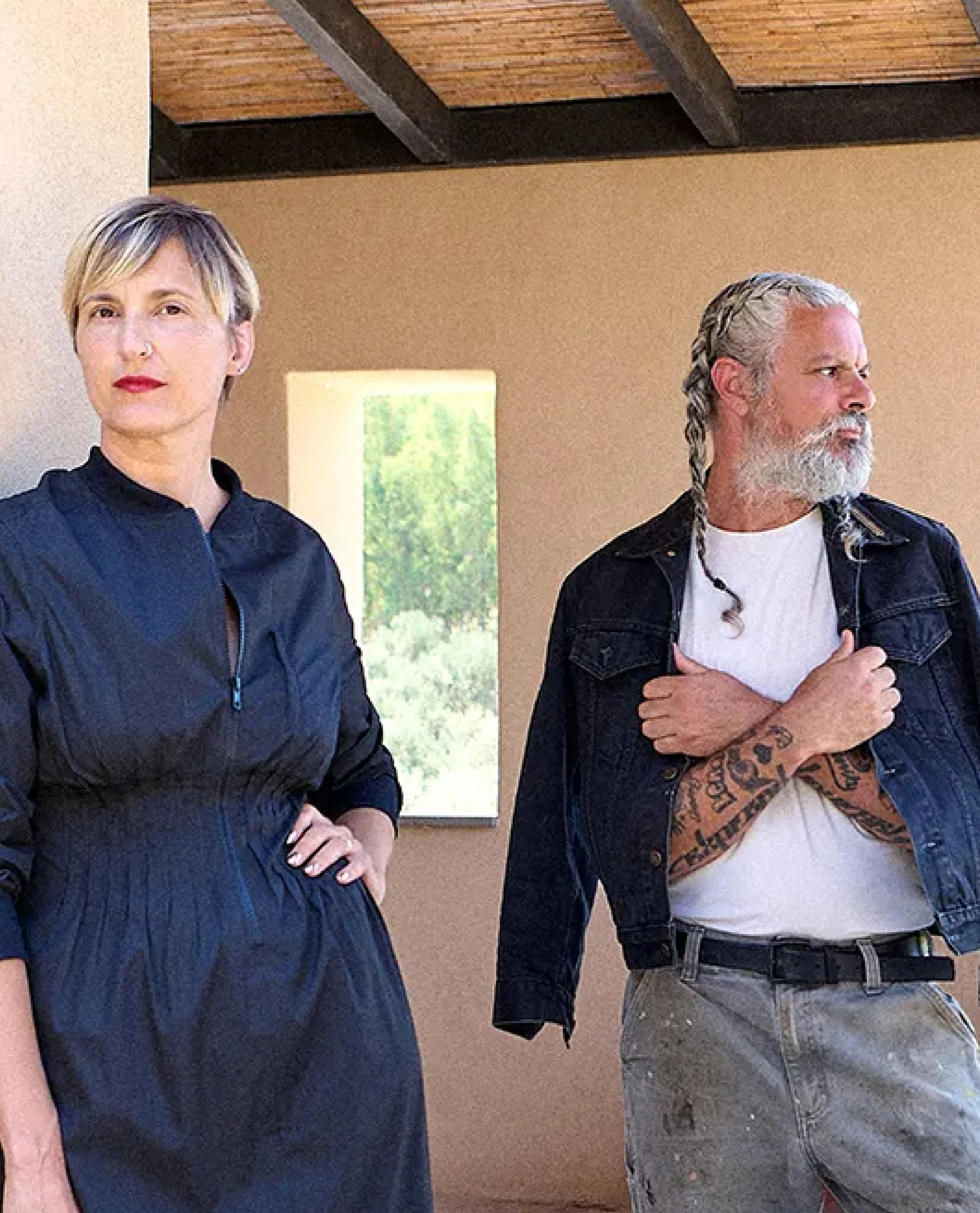
Kyre Chenven & Ivano Atzori
Kyre Chenven and Ivano Atzori are the founders of Pretziada and Luxi Bia, two projects based on the island of Sardinia. Both Pretziada, a collection of design objects made by local artisans, and Luxi Bia, a renovated farming village from the 1800s, centre the territory firmly as the primary axis upon which design, travel, research and narration revolve. This action, referred to as Contemporary Ruralism by the duo, helps to shape the future trajectory of the island in healthy and inventive ways, without bowing to outsiders' needs and expectations.
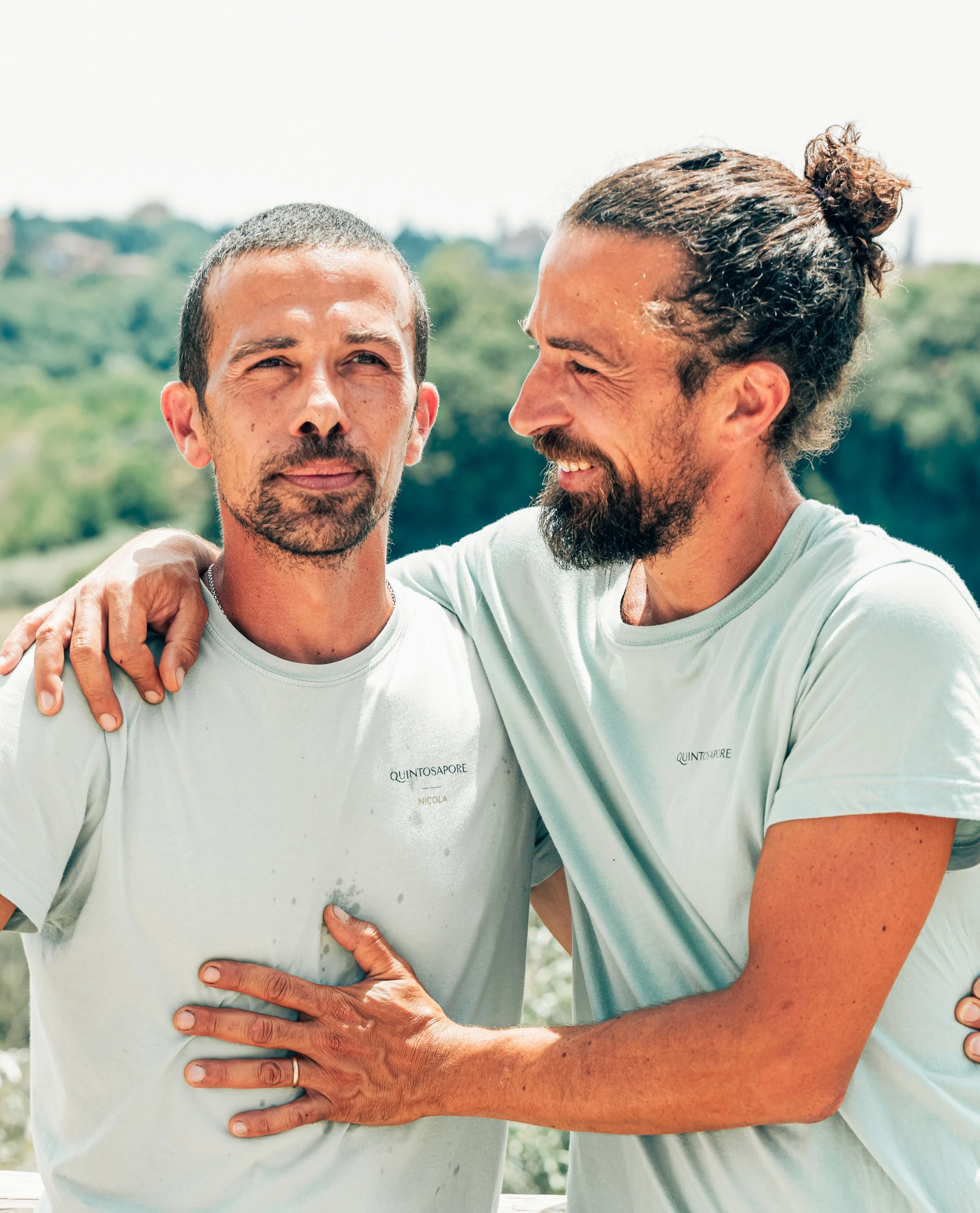
Quintosapore
Quintosapore is a regenerative farm located in the beautiful Umbrian countryside, vertically integrated, from heritage seed production to table, with the intention of giving flavour and nutrients back to the food we grow and eat. Quintosapore pioneers biomimic farming, supporting nature with a unique mix of organic, regenerative, biodynamic, agroforestry, effective microorganisms, biochar and quantum physics techniques — to grow food in the way it should. Family owned, run by twin brothers Alessandro and Nicola Giuggioli and their sister Livia, with a wonderful team of young farmers, Quintosapore uses a nature-first approach and has built a thriving and interconnected community with environmental and social justice at its heart.
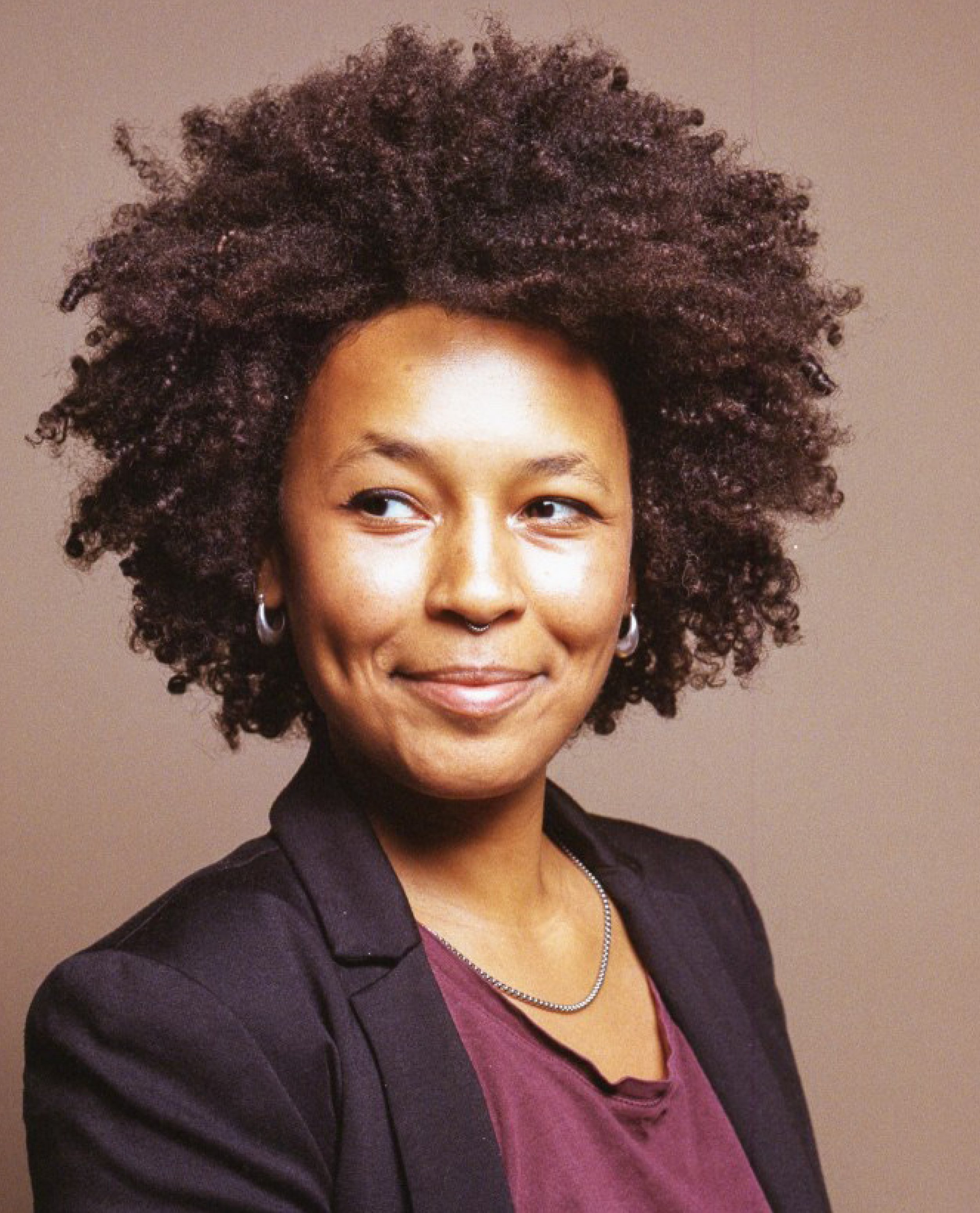
Grace Fainelli
Grace Fainelli is a communication strategist, writer and co-founder of Narrazioni Contaminate, a project focused on representation, language and contemporary cultural narratives. Her work explores the relationship between media, imagination, identity and social change, with a particular focus on decolonial perspectives and the representation of marginalized communities. She collaborates with cultural institutions, festivals, companies and organisations on projects related to communication, diversity and storytelling. She is the author of the new book 'Decolonizzare lo Sguardo' (Eris, 2025).
Order Grace’s book 'Decolonizzare lo Sguardo’ in Italian: https://www.erisedizioni.org/prodotto/decolonizzare-lo-sguardo/?utm_source=ig&utm_medium=social&utm_content=link_in_bio
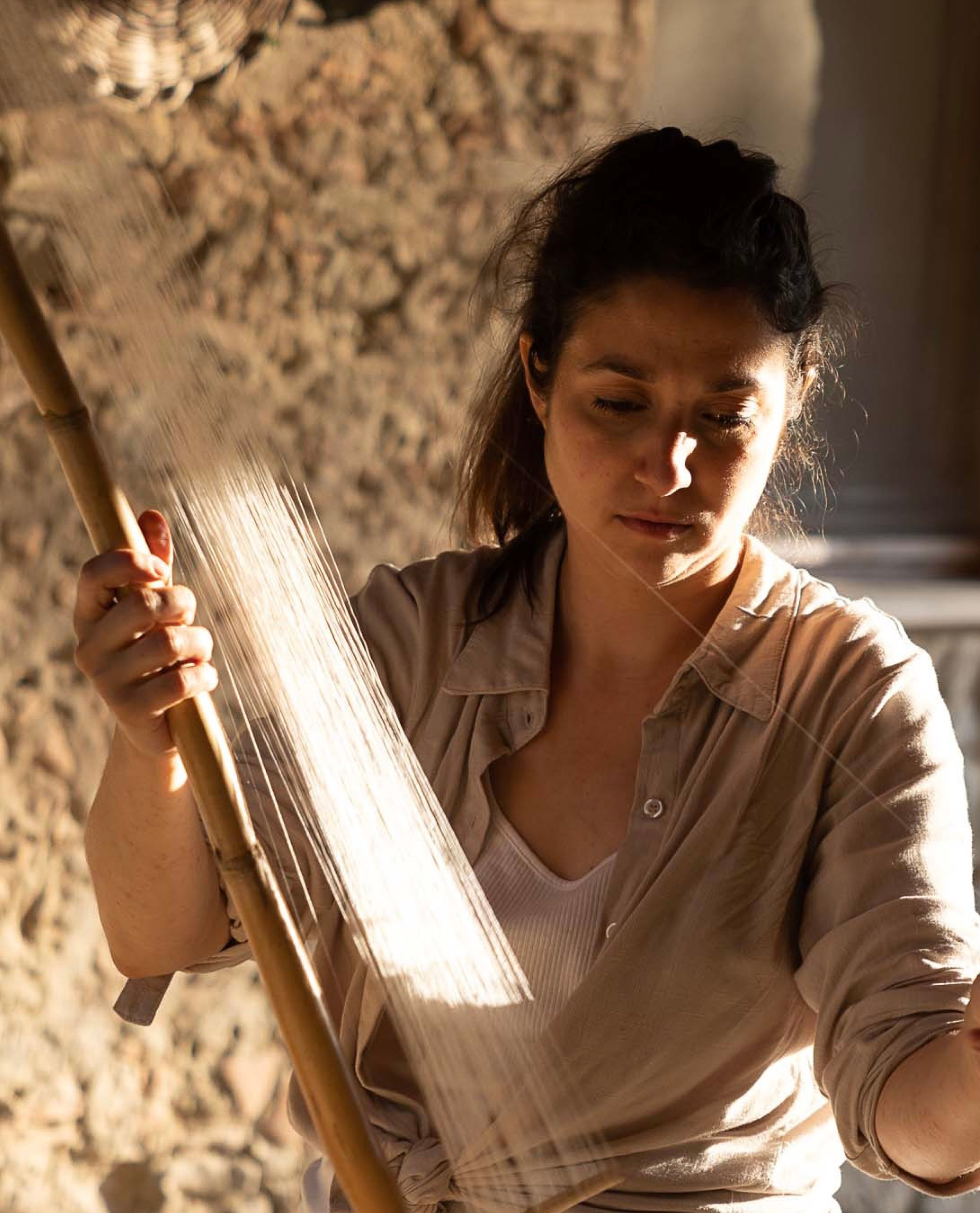
Miriam Pugliese
Miriam Pugliese is an entrepreneur and co-founder of Nido di Seta, with roots in San Floro, a small Calabrian village in Southern Italy. A visionary at heart, her passion for languages and culture took her around the world, but it was her love for her land that brought her back. Together with Domenico Vivino and Giovanna Bagnato, she brought an entire silk supply chain back to life, reviving one of Italy's most storied traditions and turning a forgotten village into a destination that draws visitors and collaborators from across the globe. Miriam has woven her creative instincts, her travels and her business mind into every thread of Nido di Seta, conceiving and shaping each dimension from the core vision to the business model, from operations to international partnerships. She lives by her own words: “I never want to live somewhere where you can't see the sky.” In San Floro, she found exactly that and built something the world came to see.
@nidodiseta
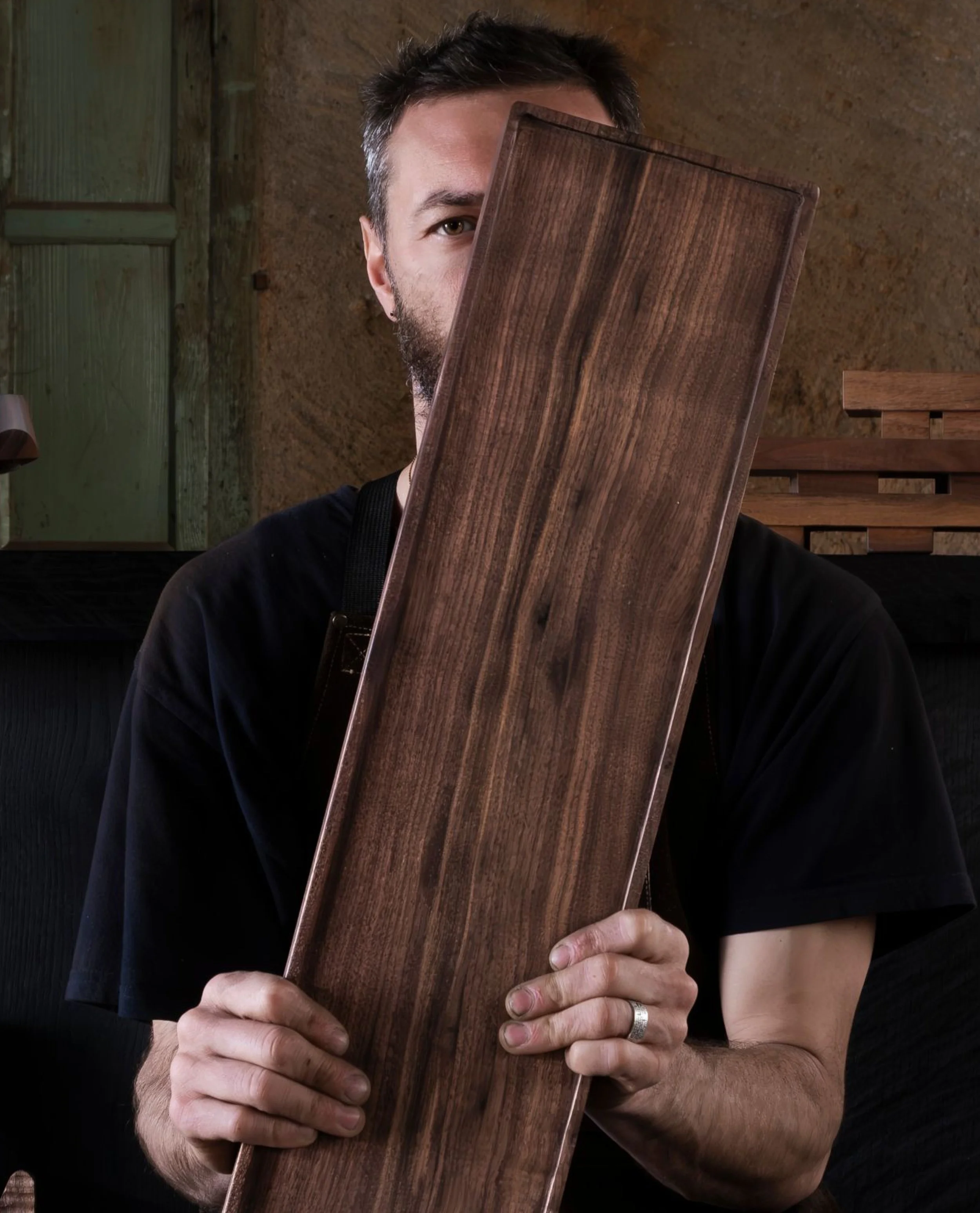
Riccardo Monte
Riccardo Monte is a multidisciplinary artist, architect and maker working across product, furniture and architectural design. His practice is defined by slow craftsmanship and a dedication to material authenticity, revealing an archaeology of texture, time and place within chosen materials. Following eight years working as an architect in London, Riccardo returned to his mountainside home in Ornavasso, Italy – quitting the city and chasing a change in rhythm. This shift in geography and tempo gave structure to Riccardo’s solo practice, which rests on exploring the beauty in the existing, and elevating natural materials through low intervention processes. He left the city in 2016 and spent the following six months in a mountain cabin with no electrical power. Remote and in solitude, his time there brought him closer to nature and the values of a simple life. Riccardo’s journey from the frantic haze of the city to the cool mountain tops was recorded in the book “City Quitters: Creative Pioneers Pursuing Post-Urban Life” which offered a global perspective on creative post-urban life. Riccardo now lives in his studio-home, nestled close to the Italian-Swiss border in the Alps, working together with his English partner Katie May. There, Riccardo takes cues from the Alpine Walser typology – an architectural legacy that stretches back 700 years and which is characterised by houses, barns or sheds built by migrants on new homelands. In his first distributed product, the Casetta Stool for Room & Board, each stool is handmade, cut from a tree trunk, charred and oiled; a timber charring process that has become his signature technique. The furniture Riccardo creates is monolithic, commanding and possesses a depth of texture that radiates the warmth of the manual production process. As he says, “My research leads to the discovery of timeless, basic forms, objects that give the impression of something that always existed.”
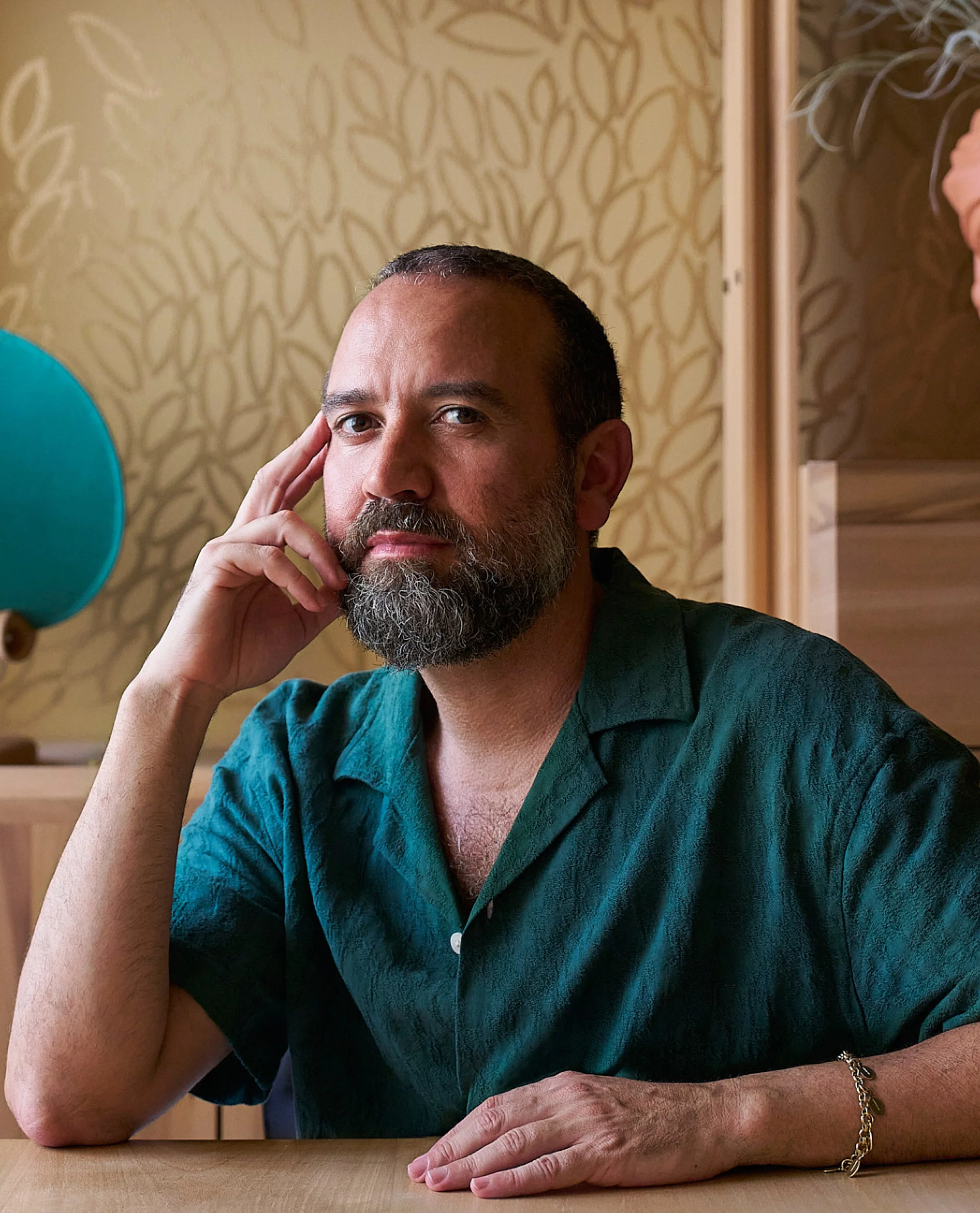
Antonio Aricò
Antonio Aricò is an Italian artist, designer and creative director. After earning a dual degree at Milan Polytechnic he obtained his masters with work based on the themes of design and tradition, combining the fields of art, craft and design. These theories that merge with the poetry of contemporary culture make up Antonio’s inter-disciplinary practice today. Based in Calabria and Milan, he is known as forerunner of a unique approach that parallels crafts and self-production with industrial design. Rooted in a humanistic environment, Antonio’s tone of voice emphasises humanity in the technical world of design, creating a reality in which designer, craftsperson and user feel welcomed and embraced. With each new project he approaches design themes, preferring to focus on the romantic, fantastic and archetypical rather than just the functional. In this universe the coldness of industrialism is replaced by the poetry, fantasy and romance of our past, vividly brought to life in contemporary ways.
@antonioarico
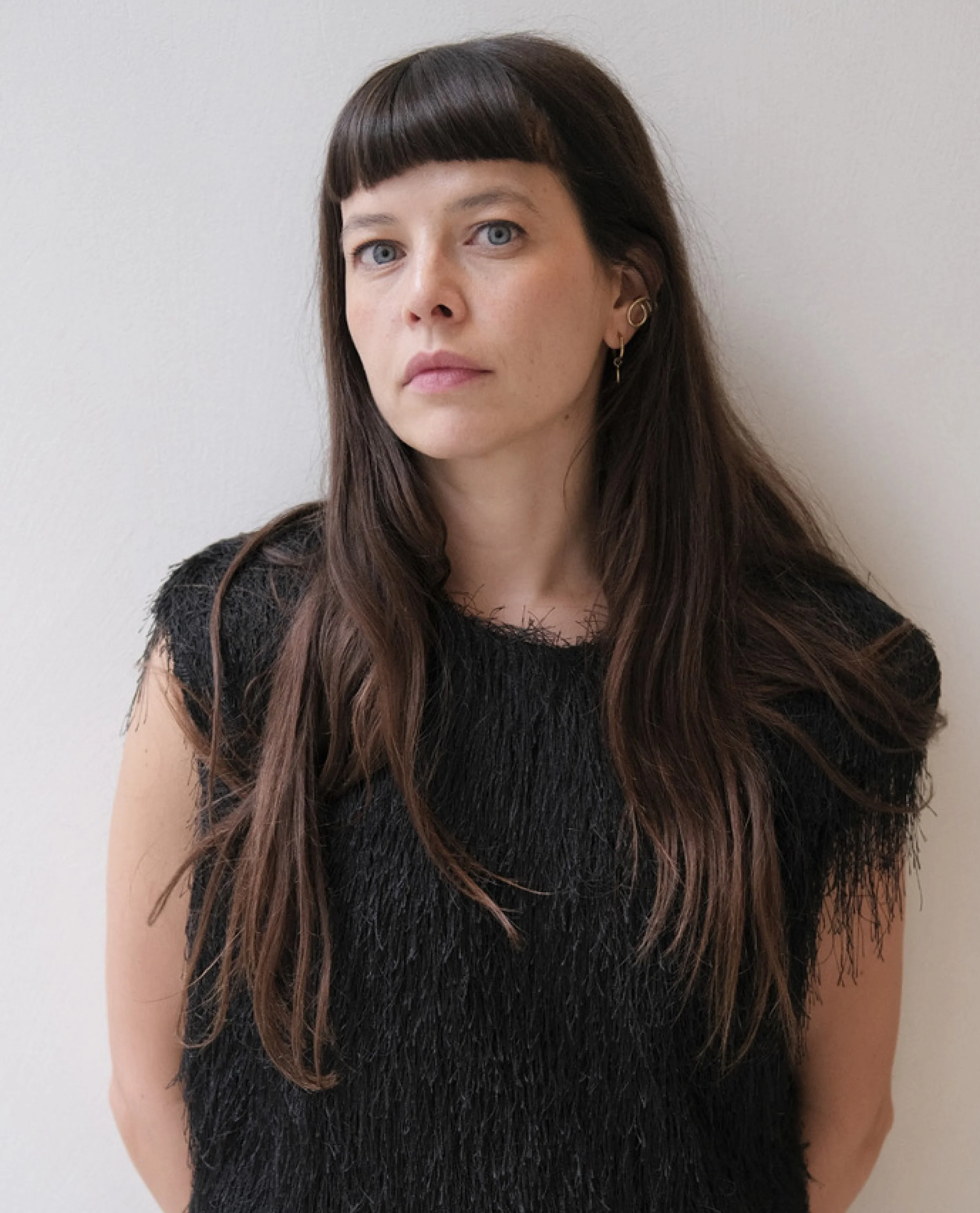
Linda Calugi
After graduating from architecture studies in Florence, Linda Calugi began her creative journey in fashion. Having explored textile expressions and developed her own brand, she felt the need to find a different, more authentic and instinctual creative language: clay. Always inspired by nature and organic forms, she recently founded AMORAW studio, an intimate journey into an ever-evolving universe that shapes raw stoneware, following only her instinct. A quest for purity that brings intention back to “essentials”, to the most authentic of tribal minimalism. All AMORAW pieces are slowly handmade by Linda in Milan.

Lidewij Edelkoort
Co-Founder World Hope Forum
Li Edelkoort is a trend forecaster, publisher, humanitarian, design educator and exhibition curator. From 2015-2020 she was the Dean of Hybrid Design Studies at Parsons in New York where she founded a Textile Masters and the New York Textile Month festival. Her thought-provoking writings and podcasts have become increasingly popular at a time when she is regarded as an activist and champion for change. In 2020, she co-founded the World Hope Forum with Philip Fimmano as a platform to inspire the creative community to rebuild a better society. Launched in 2020, PROUD SOUTH is a mesmerising visual book that celebrates the creative forces from the southern parts of the planet. Through the colourful and expressive lens of contemporary fashion, photography, styling and art, Edelkoort and Lili Tedde bring together emerging and established talents from wide and far, illustrating that the axis of global creativity has indeed dramatically shifted. In 2025, Edelkoort is launching a second edition of PROUD SOUTH focusing on craft and design. Of the movement, she says, “A southern generation of creatives is standing up, expressing local craft, embracing regional materials, recognising ancestral practices and cherishing indigenous values.”
@lidewijedelkoort

Philip Fimmano
Co-Founder World Hope Forum
Philip Fimmano is a trend analyst and consultant, contributing to Trend Union’s forecasting books, magazines and strategic studies for international companies in fashion, textiles, interiors and lifestyle. In 2011, Fimmano co-founded Talking Textiles with Li Edelkoort; an ongoing initiative to promote awareness and innovation in textiles through touring exhibitions, a trend publication, a design prize and free educational programmes – including New York Textile Month, a citywide festival celebrating textile creativity each September. He is the co-author of the design book A Labour of Love (Lecturis, 2020) and the co-founder of the World Hope Forum, a new platform for creative community building. Fimmano is the mentor of Polimoda's fashion forecasting masters and textile masters in Florence, and he is on the Board of Directors for the International Folk Art Market in Santa Fe.